0
$0.00
No products in the cart.

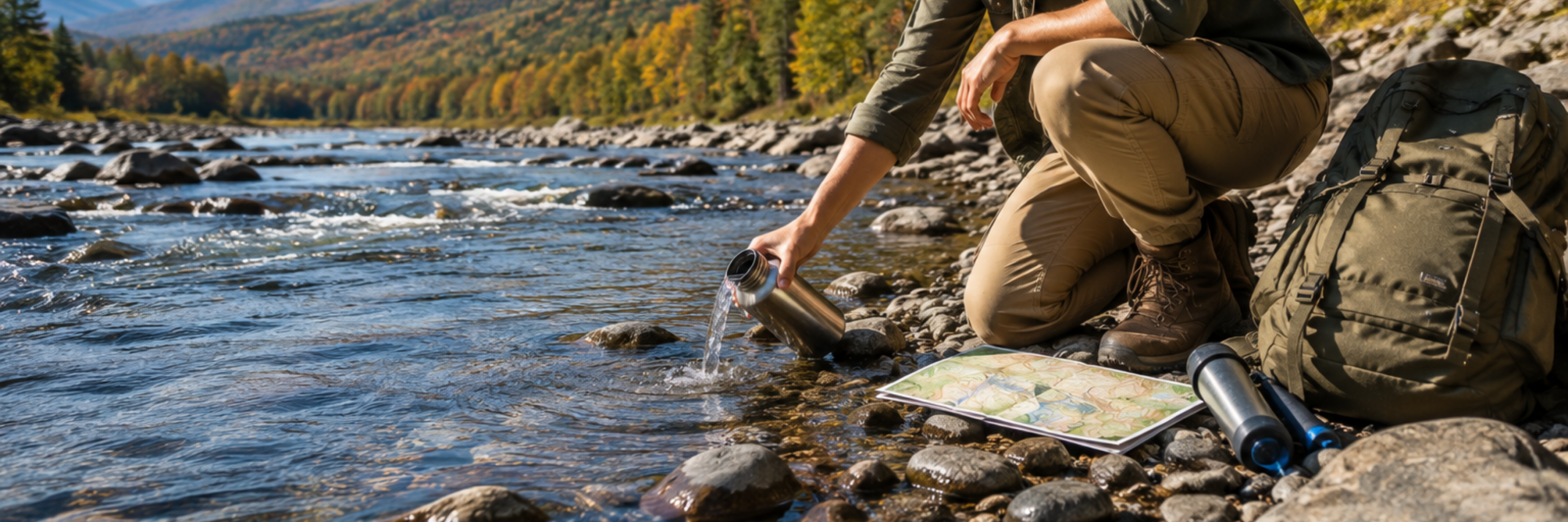
When an emergency happens, you may not have time to gather everything you need. A bug out bag keeps essential survival supplies packed, organized, and ready to go when you need to evacuate quickly.
Whether you’re preparing for a natural disaster, power outage, severe weather, or another emergency, a well-stocked emergency bag is crucial.
At a minimum, pack water and purification supplies, shelf-stable food, shelter and warm layers, reliable fire-starting tools, first aid supplies, navigation and communication tools, and basic personal essentials.
Choose gear based on your location, climate, family needs, and how long you may need to travel or remain away from home. A good 72-hour kit should be practical, organized, and light enough to carry when you need to move quickly.
Most importantly, practice using your gear before an emergency happens. A bag is only useful if you know how to carry it, access it, and use what’s inside.
A bug out bag, also called an emergency bag, go-bag, or 72-hour kit, is a pre-packed emergency bag designed to provide essential supplies for 72 hours if you need to leave your home quickly.
A good bug out bag should contain practical, lightweight gear that serves a clear purpose.
When building your kit, prioritize:
Choose a durable, comfortable backpack that can handle the weight of your gear. Your bag should also be large enough to carry your essentials without becoming unnecessarily heavy.
Water is one of the most important items in any emergency bag. You need enough drinking water to get started, along with a way to collect and purify additional water if you run out.
Plan your water supply based on your climate, activity level, and access to additional water. Hot weather, strenuous activity, and longer travel can increase your water needs.
A combination of stored drinking water, filtration, and purification methods gives you more options than relying on a single water source.
Your go-bag should contain food that is calorie-dense, shelf-stable, easy to carry, and simple to prepare.
MREs can be especially useful in a 72-hour kit because they are self-contained and require minimal preparation.
Even if you don’t expect to spend the night outdoors, shelter and clothing should be part of your bug out bag. Weather can change quickly, and an evacuation may take longer than expected.
Choose clothing and shelter based on the environment where you live and where you may need to travel.
Fire can provide warmth, light, a way to prepare food, and a method for heating or treating water. Because fire-starting conditions can change with the weather, you should carry more than one ignition method.
Pairing an ignition source with reliable tinder creates a more complete fire-starting setup. Make sure you know which fire starter you need for your situation.
A bug out bag should include supplies for both everyday injuries and more serious emergencies.
Be sure your IFAKs and medical kits are designed for emergency and field use.
Training matters, too. Consider taking an ACS Stop the Bleed course and learn how to properly use the medical equipment in your kit before you need it.
If your phone loses power or cellular service becomes unavailable, traditional navigation tools can still help you find your way.
Don’t rely on a smartphone as your only navigation tool. Keep physical maps and a compass in your kit as a backup.
Communication tools can help you receive emergency information, contact others, or signal for help.
Keep rechargeable devices charged and store backup batteries where appropriate.
Choose tools that can serve multiple purposes without adding unnecessary weight to your pack.
Focus on tools that match your skills and the situations you’re realistically preparing for.
Important documents can be difficult to replace during an emergency, particularly if you need to evacuate quickly.
Store paper documents in a waterproof sleeve or bag to protect them from moisture.
Some items don’t fit neatly into one category but can make a significant difference during an evacuation.
Once you’ve gathered your supplies, how you organize your bag matters.
Place heavier items close to your back and toward the center of the pack. Keep items you may need quickly, such as first aid supplies, navigation tools, and communication equipment, somewhere they are easy to access.
A bug out bag that is too heavy can make evacuation more difficult. Aim for a pack weight you can comfortably carry for an extended period and adjust your supplies based on your physical ability and expected travel conditions.
Emergency food, batteries, medications, and other supplies can expire or degrade over time. Check your go-bag at least twice a year and replace anything that is expired, damaged, or no longer appropriate for your needs.
Don’t wait for an emergency to find out that your pack is uncomfortable or that you don’t know how to use your gear.
Load your bag and take it on a short walk. Practice setting up your shelter, using your fire starter, navigating with a map and compass, and accessing your first aid supplies.
The more familiar you are with your gear, the more useful it will be when you need it.
A well-prepared bug out bag starts with the essentials: water, food, shelter, fire-starting tools, first aid, navigation, communication, and the equipment you need to stay prepared on the move.
AllGo Outdoors offers survival kits and survival accessories to help build your emergency kit, as well as military-spec MREs, fire starter kits, IFAK medical kits, GPS devices, survival kits, and outdoor accessories.
Don’t wait until an emergency happens to build your kit. Visit AllGoOutdoors.com to start building your bug out bag today.

Allgo Outdoors Inc
1565 Lilac Road Suite B
Ramona, CA 92065
Phone: (818) 857-1757
Email: Sales@AllGoOutdoors.com
Hours: M-F 10am to 3pm PST
Call for Appointment for Pickup