0
$0.00
No products in the cart.

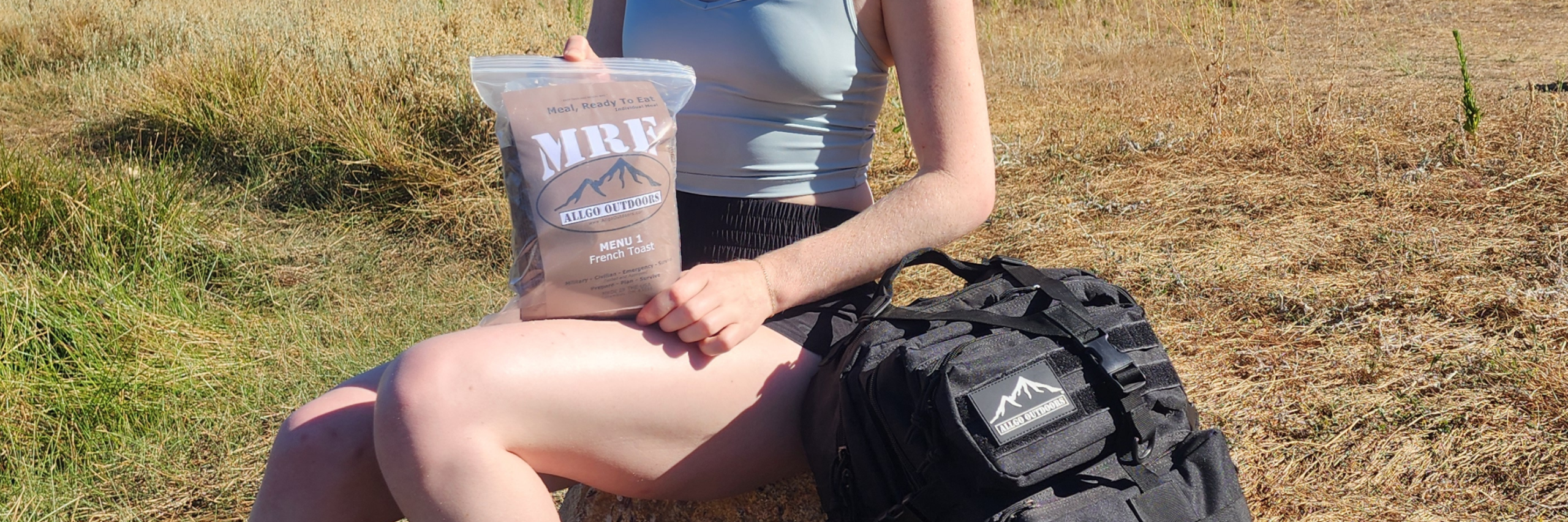
The shelf life of emergency food depends on six key factors: the ingredients you choose, whether advertised shelf-life claims are backed by proper testing, the preservation method, the packaging, the storage conditions, and the overall quality of the food. By understanding each of these factors, you can build an emergency food supply that stays safe, nutritious, and ready when you need it most.
The last thing you want during a power outage, natural disaster, or other emergency is to open your food storage and wonder whether it’s still safe to eat. A reliable long-term food supply gives you confidence that your investment, and your family’s emergency plan, is ready when you need it.
While many companies advertise 25-year shelf lives, not every product is created equal. The true lifespan of survival food depends on several important factors, including ingredients, packaging, preservation methods, and storage conditions.
Here are the six most important tips for maximizing the shelf life of your emergency meals storage.
Choosing foods with naturally long shelf lives creates a stronger foundation for long-term emergency food storage.
It’s a simple fact of nature: some foods last longer than others. There are wide variations in the shelf life of different ingredients that make up food storage, and it’s important to keep these in mind so that you can judge how long your food storage will truly last.
According to research from Brigham Young University’s Department of Nutrition, Dietetics, and Food Science, many staple foods can remain usable for decades when stored in airtight, moisture-proof containers with low oxygen levels and kept in cool, dry conditions.
Some of the longest-lasting food storage staples include:
A 25-year shelf life sounds impressive, but it only applies under specific conditions.
Some brands use long shelf-life claims as a marketing tool without explaining the storage requirements or packaging methods behind those claims.
Before purchasing survival food, ask questions like:
A reputable manufacturer should clearly explain how they achieve long-term preservation.
Food preservation methods determine how long shelf-stable food retains its safety, nutrition, and quality during storage.
Freeze-dried meals remove nearly all moisture while preserving flavor, texture, and nutrients. When properly packaged, they can often reach 25 years or more.
Dehydrated foods also remove moisture but generally retain slightly more than freeze-dried foods. They still provide excellent long-term storage when packaged correctly.
Rice, beans, oats, and grains stored in oxygen-free packaging often remain viable for decades.
Most canned foods have a shelf life of approximately 2–5 years, depending on acidity and ingredients. Highly acidic foods, such as tomatoes, typically have shorter storage lives because they can corrode metal cans over time.
MREs are designed for convenience rather than maximum longevity. Depending on storage temperatures, many MREs last around 7 years, although cooler storage can significantly extend their usable life.
If you’re unsure how old your MREs are, use an MRE Date Code Converter to determine their manufacture date and estimated inspection date.
Whatever the packaging, food should be stored with a residual oxygen level of below 2%. Nitrogen flushes and oxygen absorbers can help to achieve this goal.
Proper packaging extends emergency food shelf life by protecting food from oxygen, moisture, light, and contamination.
High-quality food storage typically includes:
The goal is to keep oxygen levels extremely low, helping prevent spoilage while preserving taste and nutritional value.
Poor packaging can significantly shorten shelf life, even if the food itself is designed for long-term storage.
For maximum longevity, store emergency food in an area that is low temperature, low moisture, low oxygen, and low light. Even the best survival food won’t last if it’s stored improperly.
Avoid storing food in garages, attics, outdoor sheds, or any areas with frequent temperature swings. Heat is one of the biggest enemies of long-term food storage. Every increase in storage temperature can reduce the lifespan of stored food.
High-quality emergency food can actually cost less over time by reducing food waste, frequent replacement costs, storage maintenance, and rotation efforts.
Buying emergency meals isn’t just about today’s price, it’s about long-term value and the peace of mine it provides knowing your food reserves will be ready if disaster strikes.
By choosing quality ingredients, selecting proven preservation methods, storing food properly, and investing in reputable products, you can maximize the lifespan of your emergency food storage and avoid costly mistakes.
Whether you’re preparing for natural disasters, power outages, or long-term emergencies, proper food storage ensures your family has safe, nutritious meals when they matter most.
The best survival food isn’t simply the one with the longest advertised shelf life, it’s the one that has been properly made, packaged, and stored so it’s ready when you need it.

Allgo Outdoors Inc
1565 Lilac Road Suite B
Ramona, CA 92065
Phone: (818) 857-1757
Email: Sales@AllGoOutdoors.com
Hours: M-F 10am to 3pm PST
Call for Appointment for Pickup